
Wet Wipes Production Line Selection Guide: Matching Line Architecture to Pack Format
A procurement guide for choosing a wet wipes production line by pack format, grouping needs, and line architecture, with specification questions and sample validation steps.
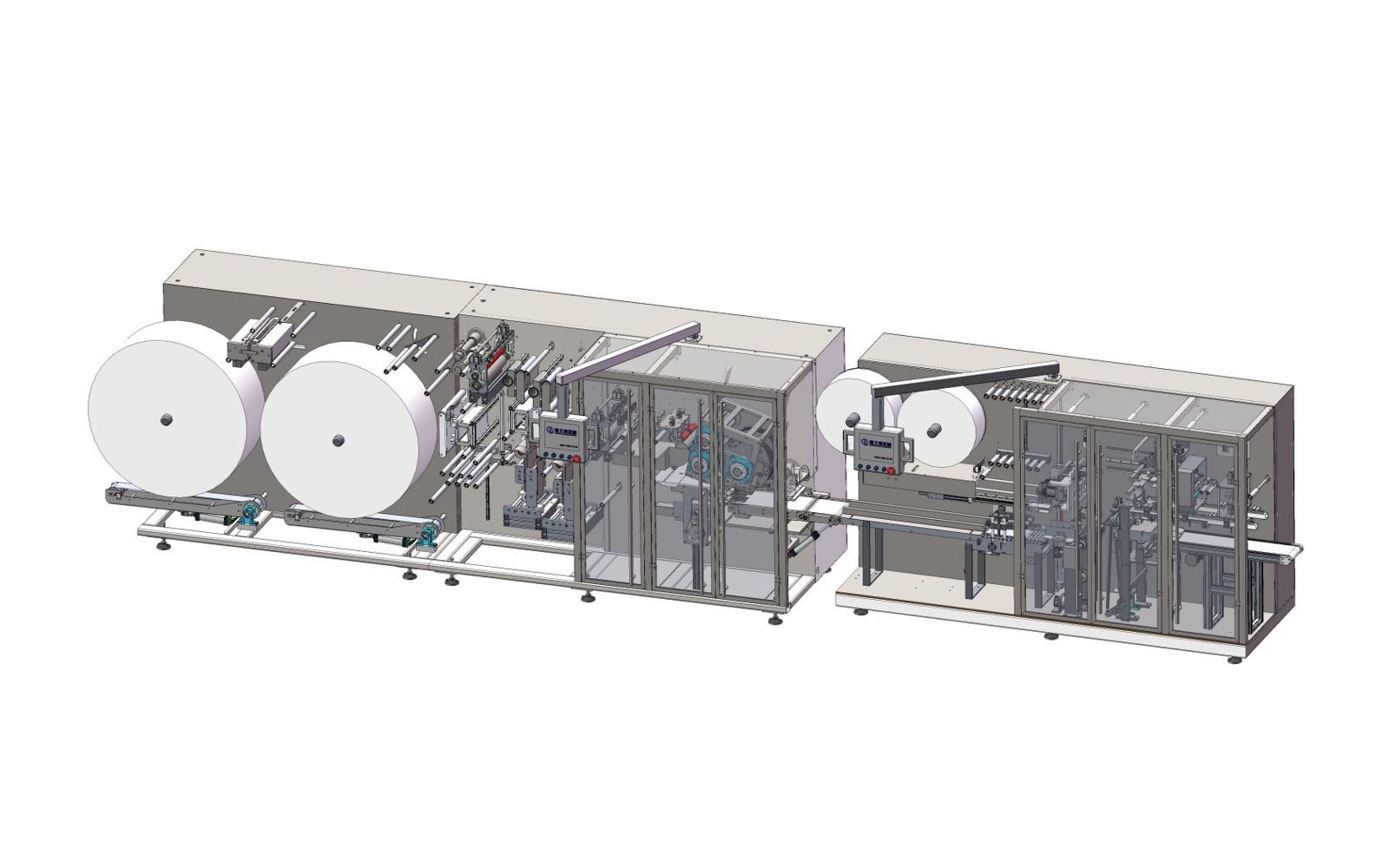
A wet wipes production line is a connected sequence that converts roll stock into wetted, cut, folded wipes and then into a sealed pack. The main procurement decision is not simply which machine is fastest. It is which line architecture matches the pack format you intend to sell, the grouping you need, and the material and liquid you will run.
This guide is written for buyers moving from consideration to supplier evaluation. It organizes the decision around pack format, line architecture, specification trade-offs, and the evidence to request before committing to a line.
Start with the pack, not the machine
Wet wipes lines are usually described by the pack they produce. That is useful because pack format drives folding, cutting, liquid dosing, sealing, and downstream grouping. Before comparing machines, define the finished pack in writing.
- Wipe size and fold: the unfolded dimensions and the fold pattern the pack requires.
- Wipe count per pack: single sachet, multi-sheet pack, or a stack.
- Pack type: single sachet, cube pack, barrel or canister, or portable pack.
- Grouping: whether finished packs are sold singly or bundled into 4, 6, 8, or 10 packs.
- Liquid and substrate: the lotion or solution and the nonwoven roll stock you will run.
These five items determine which line family fits. A line built for single sachets will not produce a cube pack, and a line without a grouping section will not deliver bundled packs without added handling.
Line architecture: integrated versus modular
Wet wipes production lines generally fall into two architectural approaches. The first is an integrated line where roll handling, folding, wetting, cutting, and primary packing run as one production arrangement. The second is a modular approach where a production line is connected to a separate packing or grouping section.
The distinction matters for procurement because it changes where the handoff occurs, how much floor space is needed, and how the line is expanded later. An integrated line is simpler to commission as a single unit. A modular line can separate primary production from secondary packing, which may suit buyers who expect to change pack grouping or add packing formats later.
Ask each supplier to mark the handoff points on the line layout. The handoff between primary packing and secondary packing is where many integration problems appear, so it should be visible on the drawing, not only in the proposal text.
Matching line type to pack format
The table below compares line families by the pack format they are built around and the grouping they support. Use it to narrow the shortlist, then confirm details against each supplier's technical documentation.
| Line family | Typical pack focus | Grouping or secondary packing | When it fits |
|---|---|---|---|
| Single sachet wet wipes machine | Individual single-wipe sachets | None, or connected secondary packing for grouped packs | Hospitality, travel, and personal-care single wipes where each wipe is packed alone |
| Super mini wet wipes line | Super mini wet wipes sachets | Simple 4/6/8/10-in-one grouped-pack configuration | Compact packs sold in small bundles, with dual-channel folding and stack handling |
| Cube pack line | Cube pack baby wipes | Line-dependent; confirm grouping section | Cube-format packs where the pack shape and stack count are fixed |
| Portable wet wipes line | Portable packs | Line-dependent; confirm whether a ten-pack or double-row grouping is included | Portable packs sold as singles or in multi-packs |
| Barrel wet wipes rewinder | Barrel or canister packs | Rewinding stage rather than sachet grouping | Barrel-format products where roll winding is the core process |
Two line families deserve a closer look because they are often confused. A single sachet wet wipes machine produces one wipe per pack. A super mini wet wipes line produces small wipes and can group them into bundles. If your product plan includes both single sachets and bundles, you may need two lines or a line with a documented secondary packing section.
Mini wet wipes packing line: what the grouping section changes
A mini wet wipes packing line adds a grouping step after primary packing. The grouping section takes finished sachets and arranges them into bundles. Documented configurations include simple 4/6/8/10-in-one grouped packs on dual-channel super mini lines.
Grouping changes the procurement checklist in three ways. First, the pack count per bundle becomes a fixed specification, so confirm that the grouping section can run every bundle size you plan to sell. Second, bundle handling adds a second quality checkpoint, because a sealed sachet can still be damaged during grouping. Third, the line footprint grows, so confirm the layout includes the grouping section and its infeed and outfeed.
Ask for the bundle sizes the grouping section is documented to run, and ask how a change from one bundle size to another is made. If the answer is vague, treat the grouping section as unverified until you see it in a sample run.
Specification trade-offs buyers should settle early
Most line comparisons collapse into a few trade-offs. Settle these before requesting quotations, because they change the machine configuration and the validation plan.
Speed versus format flexibility
A line optimized for one pack format is usually simpler to validate than a line expected to switch between formats. If you need multiple pack formats, ask which changes are mechanical and which require new tooling. Confirm the changeover steps in the supplier's documentation rather than assuming flexibility from the product description.
Integrated packing versus separate secondary packing
An integrated line reduces the number of suppliers and handoffs. A line with a connected secondary packing section separates primary production from grouping, which can make the grouping step easier to change later. The right choice depends on how stable your pack grouping is likely to be over the next few years.
Single-channel versus dual-channel folding
Dual-channel folding sections appear on super mini lines and are documented to run alongside synchronized cutting and stack handling. Dual-channel designs suit small-format products where output per pack is low and channel count matters. Single-channel lines suit single-sachet products where each pack holds one wipe.
Material handling and splicing
Multi-shaft roll handling, automatic splicing, and tension control appear in documented line features. These features affect how often the line stops for roll changes. Ask the supplier to explain the splicing sequence and the tension-control method in plain terms, and confirm which roll widths and core sizes the line accepts.
Supplier questions that separate a proposal from a plan
Use these questions during evaluation. They are designed to surface whether the supplier has a documented configuration or is improvising a response.
- Which line model and configuration are you quoting, and what pack format is it documented to produce?
- Can you provide a line layout showing roll handling, folding, wetting, cutting, primary packing, and any secondary packing or grouping?
- What wipe sizes, fold patterns, and pack counts has this configuration run?
- What liquid dosing method is used, and how is dosing checked during commissioning?
- Which nonwoven roll widths and core sizes does the line accept?
- What is included in the scope of supply, and what must the buyer provide?
- What does commissioning include, and what acceptance criteria are written into the contract?
- Which spare parts are recommended for the first year of operation?
Questions about price, lead time, and minimum order quantity should be answered in writing for your specific configuration. This guide does not quote figures because they vary by configuration and scope.
Validate with a sample run before you commit
A sample run is the most useful evidence a buyer can obtain. It converts the proposal into observed behavior. Plan the sample around your actual materials and pack format.
- Send your substrate and liquid: ask the supplier to run your nonwoven and your solution, not a generic substitute.
- Run your pack format: confirm the wipe size, fold, pack count, and seal appearance.
- Run your grouping: if you need bundles, confirm the 4/6/8/10-in-one grouping on the same run.
- Check seal integrity: inspect sachets for leaks, weak seals, and liquid migration.
- Observe changeover: if you plan multiple formats, watch a changeover and time it.
- Record rejects: ask for the reject reason categories, not just a reject rate.
Keep samples from the run and label them with the line configuration, material, and date. Those samples become the reference for acceptance testing later.
Warning signs in a wet wipes line proposal
Some proposals are easy to compare because they are specific. Others are hard to compare because they stay general. Watch for these signs during evaluation.
- The proposal names a line family but not a model or configuration.
- Pack format, wipe size, or bundle count is described as adjustable without a documented range.
- The layout omits the handoff between primary packing and secondary packing.
- Commissioning and acceptance criteria are not written down.
- The supplier cannot describe how liquid dosing is verified.
- Spare parts and wear items are not listed.
None of these signs is disqualifying on its own. Together they suggest the proposal is not yet a plan you can hold the supplier to.
Next steps for a shortlist
Define your pack format and grouping in writing, then request a layout and a sample run from each shortlisted supplier. Compare proposals on documented configuration, not on headline claims. Where a claim matters, ask for the document or the demonstration that supports it, and record the answer in your evaluation file.